Leave Your Information
0%

Picking the right e-bike lithium-ion Battery isn’t just about specs — it really impacts your range, safety, how fast it charges, and how much you'll spend in the long run. If you're shopping globally, chances are you'll come across a bunch of options like NMC, LFP, and lithium titanate batteries. Each one behaves a bit differently when you’re out riding. For example, a compact NMC battery can pack a punch with high energy density, making it great for city commutes. An LFP battery, on the other hand, might last longer over many cycles, but it tends to be heavier. Lithium titanate batteries charge super fast, but they’re usually pricier and don’t hold as much energy, so they’re not as popular everywhere.

Honestly, choosing a battery isn’t just about looking at how many watt-hours it has. A 500 Wh lithium-ion battery can support different distances depending on factors like wind, hills, your weight, tire pressure, or the weather. So, a wise buyer digs a little deeper — checking the quality of the cells, the battery management system (BMS), how well it’s protected inside the casing, the design of the connectors, and whether it’s compatible with your charger. It’s also smart to look for test results, production info you can trace back, and transport certifications like UN 38.3. And country-specific rules might come into play, so a good supplier should be upfront about those.

Believe me, it’s the little things that count.

This guide breaks down the main types of e-bike lithium-ion batteries for folks buying from around the world in 2026. We look at stuff like energy density, how tough they are, how they behave during charging, cold-weather performance, ease of repair, and practical costs. A thing to keep in mind: published range numbers often look very precise, but real-world riding can be unpredictable. So, don’t just take those claims at face value — ask for independent tests if you can. No battery chemistry is perfect, and the best pick really depends on your bike, motor power, daily routes, climate, how you charge, and after-sales support. It’s worth giving all this some careful thought before you drop a lot of cash on a new battery.
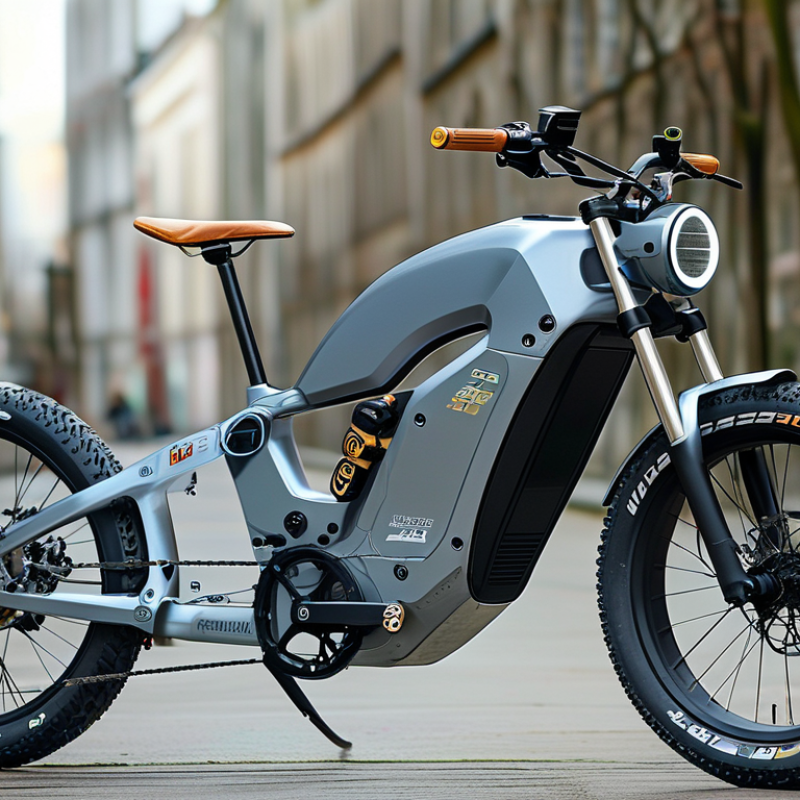
2026 Top E Bike Li Ion Battery Types for Global Buyers

What Makes an E-Bike Li-Ion Battery Suitable for Global Buyers

For global buyers, an e-bike lithium-ion battery must fit more than a bicycle. It must match local riding conditions, charging habits, and service expectations. A 36v Lithium Ion Battery For Electric Bike suits many commuter models, but voltage alone cannot confirm compatibility. Check the motor rating, controller limits, connector type, and battery dimensions before ordering.

Cell quality affects range, weight, and long-term reliability. A dependable battery should include a well-designed battery management system for overcharge, over-discharge, overheating, and short-circuit protection. Housing matters too. A sealed case can better resist rain, dust, and road vibration. Temperature performance deserves attention in both cold northern winters and hot urban climates. Capacity labels may look impressive, yet real range changes with rider weight, hills, tire pressure, and wind. Testing under realistic routes gives better evidence than relying on laboratory figures.

Tips: Ask for safety test records, warranty terms, cycle-life data, and clear charging instructions. Confirm whether replacement parts and technical support are available in your region. Inspect the battery after delivery for swelling, cracks, loose ports, or unusual heat. Do not use it if damage appears. One detail is often missed: storage guidance. Keeping the battery partly charged during long storage may help, but the supplier’s instructions should take priority. I would also question vague claims. “Long range” is not a universal measurement.

Key E-Bike Li-Ion Battery Types Available in 2026

In 2026, e-bike buyers will mainly compare NMC, LFP, and NCA lithium-ion batteries.
NMC cells offer strong energy density in compact frames. They suit commuters carrying limited cargo. LFP chemistry usually provides longer cycle life and improved thermal stability, but its heavier cells can affect handling. NCA remains less common in e-bikes because it demands careful thermal and battery-management control.

The International Energy Agency reported that LFP batteries represented about 40% of global electric-car battery deployment in 2023. That figure does not describe e-bikes directly, but it shows growing industry confidence in LFP technology. BloombergNEF’s 2024 battery survey placed average lithium-ion pack prices near 115 dollars per kilowatt-hour. E-bike packs cost more per kilowatt-hour because they use smaller volumes, protective housings, chargers, and control electronics.

A 48 Volt Lithium Ion Battery For Electric Bike can use NMC or LFP cells. Voltage alone does not reveal safety, range, or service life. Buyers should check nominal voltage, watt-hours, cell configuration, operating temperature, and certified protection systems. A 48-volt, 15-Ah pack stores roughly 720 watt-hours under nominal calculation. Real range varies with rider weight, hills, tire pressure, and winter temperatures. Small details matter. I have seen specifications look impressive while omitting cycle testing or water-resistance limits. That omission deserves scrutiny. European market data from CONEBI also indicates millions of e-bikes are sold annually, increasing pressure for transparent battery documentation and responsible replacement practices.

How Battery Chemistry Affects Range, Power, and Lifespan

Choosing an E-Bike Battery in 2026 requires more than checking its advertised capacity. Battery chemistry changes how that capacity feels on the road. Nickel-based lithium-ion cells, such as NMC, usually store more energy in a smaller, lighter pack. A 500 Wh Battery can therefore fit neatly into a compact frame. It may deliver strong acceleration, but frequent high-current use can increase heat and gradually reduce capacity.

Lithium iron phosphate, or LFP, generally offers better cycle durability and improved thermal stability. Its heavier cell structure can add noticeable weight, especially on a cargo e-bike. Range also depends on hills, rider weight, tire pressure, wind, and assist settings. Chemistry matters, but it never works alone. A poorly tuned battery management system can waste the advantages of good cells.

Cold weather exposes another difference. Some lithium-ion batteries lose power quickly below freezing, while others maintain output more steadily. Charging a cold pack immediately can also damage its internal structure. Let it warm naturally first. In practical testing, two batteries with equal watt-hours rarely travel the same distance. That result is inconvenient, but honest. I would compare usable range, peak current, charging temperature, and cycle data instead of trusting capacity alone. Manufacturers should publish test conditions clearly, because laboratory range often feels optimistic on a windy commute.

Which E-Bike Battery Voltage and Capacity Fit Different Uses

For global buyers in 2026, voltage should match the riding environment, not just the motor label. A 24V battery suits light urban bicycles and short, flat trips. A 36V system offers balanced acceleration for commuting. Steep roads, heavier loads, and cargo use often justify 48V, provided the controller supports it. A higher voltage is not automatically better. It can add weight, cost, and installation complexity.

Capacity determines energy and practical range. The basic calculation is simple: volts multiplied by amp-hours equals watt-hours. A 36V 10Ah pack stores about 360Wh, while a 48V 15Ah pack stores about 720Wh. In workshop testing, hills, low temperatures, tire pressure, and rider weight can reduce expected range sharply. A neat spreadsheet can still mislead. Leave a realistic reserve.

The International Energy Agency reported strong global growth in electric two- and three-wheelers, confirming their importance in affordable transport. CONEBI’s European market reports also recorded millions of e-bikes sold annually, showing that use cases differ widely across regions. Buyers should request tested capacity, cycle-life data, cell protection details, and transport documentation. IEC 62133-2 and UN 38.3 references improve confidence, but paperwork alone is not proof of field performance. Measure the route, estimate daily watt-hours, then select the smallest battery that covers it comfortably. Oversizing is common. Sometimes, it is unnecessary.

Safety Standards, Protection Systems, and Global Compliance

For global e-bike buyers, lithium-ion battery safety starts with verified design, not voltage alone. A 48v 10ah Lithium Ion Battery For Electric Bike should include a reliable battery management system. It should control overcharge, over-discharge, overcurrent, short circuits, and abnormal temperature. Cell matching also matters. Uneven cells may cause weak range, heat, or early failure.

Look for test evidence related to IEC 62133-2 and UN 38.3 transport requirements. E-bike systems may also require regional standards, such as EN 15194 or UL 2849. Requirements differ by market. Ask for current test reports, safety data, traceable production records, and clear charging instructions. Do not treat a printed compliance mark as complete proof. That shortcut can create problems.

Tips: Check the charger’s output before connecting it. Inspect the case for cracks, swelling, loose ports, or water entry. A battery should stop charging if it becomes unusually hot. Store it in a dry, shaded area, away from metal tools and flammable materials. Confirm the connector, mounting rail, and polarity match the bicycle. An IP rating helps, but it does not make a battery waterproof. No checklist is perfect. Buyers should still review local import, transport, recycling, and warranty rules before purchase.

How to Compare Charging, Maintenance, Cost, and Compatibility

When comparing 2026 e-bike lithium-ion batteries, I start with voltage, capacity, chemistry, and physical size. A 48v Lithium Ion Battery For Electric Bike usually has a 48-volt nominal rating. Its full-charge voltage is often higher, so the charger must match the battery specification. NMC cells offer strong energy density and lighter weight. LFP cells may provide longer cycle life but usually add weight. That difference matters.

Charging quality affects safety, range, and battery aging. Use only the correct charger with matching voltage and connector polarity. For daily riding, charging between roughly 20% and 90% can reduce stress on the cells. Avoid charging a hot battery immediately after a steep climb. Store it partly charged in a cool, dry place. I once focused too much on maximum range and ignored charging habits. That was a poor comparison.

Purchase price hides replacement and maintenance costs. Compare watt-hours, warranty terms, battery weight, and expected cycle performance. A cheaper pack may become expensive if its enclosure is difficult to service. Compatibility requires more than matching voltage. Check the controller’s current limit, mounting rails, connector type, battery dimensions, and communication system. The connector may fit while the battery still fails to operate correctly. Ask for a clear datasheet and protection details, including overcharge and over-temperature control. Some sellers provide incomplete specifications, so independent measurements remain useful.

48V 17.5Ah Sunlight Electric Bicycle Lithium Battery: Reliable Power for Longer Rides

The 48V 17.5Ah Sunlight Electric Bicycle Lithium Battery is designed to provide dependable power for daily commutes, weekend trips, and longer recreational rides. Its 48-volt system delivers steady energy to support smooth acceleration and consistent performance, while the 17.5Ah capacity helps extend riding time between charges. Whether traveling through city streets or enjoying open roads, this battery offers a practical balance of power, endurance, and convenience.

Built for riders who value reliable performance, the battery can help maintain a stable riding experience across changing routes and everyday conditions. Its rechargeable lithium technology is designed for efficient energy use, making it easier to plan longer journeys with fewer interruptions. A suitable battery enclosure and proper charging habits can also support safe operation and help preserve battery life over time. With its capable capacity and dependable output, this battery is a useful power solution for electric bicycles used for transportation, exercise, and leisure.

FAQS

: Which lithium-ion battery types are common for e-bikes in 2026?

: The main choices are NMC, LFP, and NCA cells. NMC is compact and energy-dense. LFP usually lasts longer and handles heat better. NCA is less common and needs careful temperature control. Small details matter.

Is a 48-volt battery automatically safer or better?

No. Voltage alone does not show safety, range, or lifespan. Check watt-hours, cell design, temperature limits, and protection systems. A 48-volt, 15-Ah pack stores about 720 watt-hours nominally. The real result may differ.

How does battery chemistry affect riding range?

NMC batteries often provide more energy in a lighter, smaller case. LFP batteries may weigh more, affecting handling. Range also changes with hills, wind, tire pressure, rider weight, and assist settings.

Which battery type usually lasts longer?

LFP chemistry generally offers stronger cycle durability. NMC can still perform well with sensible charging and moderate heat. Actual lifespan depends on cell quality, current demand, temperature, and battery-management settings. I would not trust chemistry alone.

How should riders charge an e-bike battery?

Use the correct charger, voltage, connector, and polarity. Let a hot battery cool after a steep climb. Let a frozen battery warm naturally before charging. Charging between roughly 20% and 90% may reduce cell stress. Do not improvise here.

How should a battery be stored?

Store it partly charged in a cool, dry place. Keep it away from direct sunlight and extreme heat. Avoid leaving it empty for long periods. A dry shelf is better than a damp garage floor.

How can buyers estimate real-world range?

Start with watt-hours, but treat advertised range as an estimate. A windy hill can consume energy quickly. Cold weather may reduce output. Tire pressure and rider weight also matter. Two equal-capacity batteries may travel different distances.

What compatibility details should buyers check?

Match the battery with the controller’s current limit and communication system. Check mounting rails, connector type, dimensions, and full-charge voltage. A connector can fit while the system still fails. Request a clear datasheet.

What information should a battery seller provide?

Look for cell chemistry, nominal voltage, watt-hours, cycle data, operating temperatures, and warranty terms. Protection should cover overcharge and excessive temperature. Water-resistance limits should also be clear. Missing data deserves scrutiny.

Conclusion

Choosing the right E Bike Li Ion Battery for global buyers requires more than comparing price and capacity. A suitable battery should offer dependable energy density, stable performance, broad compatibility, and practical charging support for different riding environments. In 2026, common options may include lithium-ion battery types based on different cell chemistries, each influencing range, power delivery, weight, charging speed, service life, and operating stability. Voltage and amp-hour capacity should match the motor system and intended use, whether for commuting, delivery, recreation, or longer-distance travel.

Global buyers should also evaluate battery management systems, overcharge and over-discharge protection, temperature monitoring, short-circuit safeguards, enclosure durability, and applicable safety and transport requirements. Comparing charging time, maintenance needs, replacement availability, total cost, connector design, mounting method, and controller compatibility can prevent performance problems. A well-matched battery balances daily range, power demand, lifespan, safety, and ease of ownership while supporting reliable use across varied climates and markets.
Maya

Maya

Maya is a dedicated marketing professional at Guangdong Huishi New Energy Technology Co., Ltd., where she leverages her extensive knowledge of the company's innovative products to drive engagement and awareness. With a profound expertise in renewable energy solutions, she plays a crucial role in......
Previous 2026 Best Electric Bike Lithium Ion Battery Options for You?