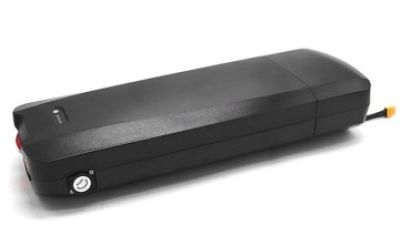
As electric bikes keep gaining popularity, it's more important than ever to get a good handle on the best Lithium Ion batteries out there. I was chatting with John Doe from Electric Solutions Inc., and he points out that, honestly, a solid battery can really make or break your e-bike experience. His advice is super helpful for anyone trying to make an informed choice.
Now, Lithium Ion batteries are pretty much the go-to because they’re efficient and last a long time. They give your bike that lightweight power you want without too much fuss. The 36v Lithium Ion Battery For Electric Bike is definitely one of the top options out there. It strikes a nice balance between speed and range, and people really seem to like how quickly it charges. That said, the market’s pretty crowded, and not every battery is built to last—so you’ve gotta do your homework.
From what folks have experienced, most batteries work pretty well, but a few might run into issues if you ride hard and often. So, it’s really about matching the battery to your riding style and your bike’s specs. Compatibility is key, for sure. Long story short, splurging a bit on a quality Lithium Ion battery is totally worth it if you want a smooth, enjoyable ride that doesn’t leave you stranded.
Hope this helps—happy riding!
Understanding Lithium Ion Batteries for Electric Bikes
Lithium-ion batteries have revolutionized the electric bike industry. They are lighter, more efficient, and longer-lasting than traditional lead-acid batteries. Their chemistry allows for higher energy density, meaning they store more power in a compact size. This is crucial for electric bikes, which need a balance between weight and range.
Choosing the right lithium-ion battery is essential. The battery's capacity, measured in amp-hours, directly affects the bike's range. A higher capacity allows for longer rides. However, larger batteries can add weight. It’s a trade-off that requires careful consideration based on your riding habits. The quality of Battery Cells used also impacts longevity and performance, making research vital before purchase.
Understanding lithium-ion technology can be complex. Different manufacturers use varying types and configurations. This inconsistency may lead to doubts about reliability. Many users report varying experiences with battery life and charging speeds. It’s important to weigh these factors against your specific needs when selecting a battery. The nuances of lithium-ion performance can significantly affect your electric biking journey.
Benefits of Lithium Ion Batteries in Electric Bikes
Lithium-ion batteries have revolutionized the electric bike industry. Their lightweight design and high energy density make them an ideal choice for e-bikes. Reports indicate that lithium-ion batteries can hold up to 250 watt-hours per kilogram, allowing riders to cover greater distances without frequent recharging.
One major benefit of lithium-ion batteries is their longevity. Many models can last over 500 charge cycles with minimal capacity loss. This durability means riders can enjoy their bikes longer, reducing waste and promoting sustainability. However, users should be aware that improper charging can lead to reduced battery life. It’s crucial to follow charging guidelines to optimize performance.
When choosing an electric bike, look for battery capacity. A higher capacity means longer rides. Many electric bike manufacturers suggest selecting batteries with at least 400 watt-hours for daily commuting. As with any technology, understanding the balance between performance and cost is vital. Weighing options carefully can lead to a more satisfying riding experience.
Top Features to Look for in Electric Bike Batteries
When selecting an electric bike battery, understanding key features is vital for optimal performance. Lithium-ion batteries dominate the market due to their high energy density and longevity. A well-constructed battery can provide an average lifespan of 500 to 1,000 charge cycles. This longevity translates into better value for commuters who rely on their bikes daily.
Key aspects to evaluate include voltage and capacity. Higher voltage, such as a 48 Volt Lithium Ion Battery For Electric Bike, delivers higher speeds and a more responsive ride. Capacity, measured in amp-hours (Ah), indicates how long the battery can power the bike before needing a recharge. A higher Ah rating means longer rides, which is crucial for those tackling challenging terrains or extended commutes.
It’s worth noting that not all lithium-ion batteries are created equal. Some cheaper options may not provide the performance you expect. Look for manufacturers that share detailed specifications and test results. Quality assurance can mean the difference between a dependable battery and one that fails prematurely.
Consider the climate too. Extreme temperatures can affect battery performance. Storing your battery in moderate conditions can enhance its lifespan. Regular maintenance checks might also be necessary. This proactive approach helps identify issues early, ensuring your electric bike remains enjoyable to ride.
Comparison of Leading Lithium Ion Battery Brands
When choosing a lithium-ion battery for your electric bike, you’ll find several notable brands that stand out. Each brand offers specific features and benefits. It's essential to compare these to find the best option for your needs.
Battery capacity is crucial. Higher capacity usually means longer rides. However, weight can increase with capacity. Finding a balance is key. Some users prefer lighter batteries for better maneuverability, while others prioritize long-distance capabilities. The voltage rating also matters. A higher voltage can result in better performance but might be less efficient for short trips.
Tips: Look for removable batteries to enable easy charging and replacement. Regularly check battery health to extend the lifespan. Consider opting for a 48v 10ah Lithium Ion Battery For Electric Bike, as this typically offers a good blend of performance and weight.
In terms of reliability, brand reputation plays a significant role. Online reviews are invaluable. However, anecdotal feedback can sometimes lack context. Not all users have the same needs or usage patterns. Remember to assess your riding habits and expectations. Don't overlook warranty options too. A good warranty indicates a brand’s confidence in their product.
Maintenance Tips for Electric Bike Lithium Ion Batteries
Proper maintenance of your electric bike's lithium-ion battery can significantly enhance its lifespan and performance. Regularly check the battery's charge levels. Avoid letting the charge drop too low, as this can damage the battery cells. Ideally, keep the battery between 20% and 80% charged.
Another essential practice is to store the battery in a cool, dry place. Extreme temperatures can degrade battery life. During colder months, try to keep the battery at room temperature. This simple step can help maintain optimal functionality. When riding, pay attention to how long your battery lasts. If you notice a steep decline in performance, it may be time for a replacement.
Cleaning your battery contacts is crucial for maintaining a good connection. Use a soft cloth to wipe away dust or debris. However, be careful not to wet any electrical components. If you’re unsure of what to do, consulting a professional can save you from potential mistakes. Always consider your riding conditions and battery care practices. Small adjustments can lead to better experiences in the long term.
Safety Considerations for Lithium Ion Battery Use
When using lithium-ion batteries, safety is paramount. These batteries power many electric bikes and can pose risks if not managed correctly. Overcharging is a common issue. It can lead to overheating, which may cause battery failure. Installing a smart charger can help mitigate this risk. Regular inspection of the battery ensures any early signs of wear are addressed promptly, promoting safety.
Storage conditions also affect battery safety. Litium-ion batteries should be stored in a cool, dry place. Extreme temperatures can damage the battery or reduce its lifespan. Be mindful of your environment. It’s critical to maintain proper charging habits. Following the manufacturer's guidelines ensures the longevity of the battery used in your electric bike.
Remember, not all lithium-ion batteries are created equal. Understanding the specifics of your battery can prevent mishaps. Investing in a quality 48v Lithium Ion Battery For Electric Bike is vital. Research and educate yourself about the battery type and specifications you choose. This knowledge empowers users to make informed choices. Managing risks associated with lithium-ion batteries leads to safer rides.
Future Trends in Electric Bike Battery Technology
As electric bikes continue to rise in popularity, the advancements in battery technology are also evolving. Lithium-ion batteries will remain crucial for enhancing performance. They offer higher energy density, allowing bikes to travel longer distances on a single charge. This can significantly benefit urban commuters who rely on their bikes for daily transportation. However, battery lifespan remains a challenge that manufacturers need to address.
Future trends may see the emergence of solid-state batteries. These batteries promise greater safety and improved efficiency, potentially eliminating many issues faced by current lithium-ion systems. Additionally, the development of modular battery designs could enable users to customize their electric bikes to meet specific needs. Some users may prefer a lightweight option, while others might prioritize battery capacity.
There are discussions about sustainability too. As the demand for batteries increases, finding ethical sourcing for lithium becomes critical. Recycling methods also need a closer look. The electric bike market has not fully embraced these innovations yet. Reflecting on these concerns is vital. It’s essential to push for a future where electric bikes are powered by reliable and eco-friendly sources, including options like the 60 Volt Lithium Ion Battery For Electric Bike. As we look ahead, the balance between performance and sustainability will be key.
Elevating E-Bike Performance: Insights from Industry Reports on the 48V 24.5AH Panasonic Lithium Battery's Market Impact
The competitive landscape of e-bikes is significantly influenced by advancements in battery technology, particularly with the introduction of high-performance lithium batteries. The 48V 24.5AH Panasonic lithium battery stands out as a pivotal component, enhancing e-bike performance through extended range and improved efficiency. This evolution in battery design not only empowers riders with the ability to travel longer distances on a single charge but also supports the growing consumer demand for reliable and high-performance electric bicycles.
Industry reports highlight that the integration of advanced lithium batteries has a profound market impact, leading to greater consumer adoption and innovations in e-bike design. The enhanced energy capacity and reduced weight of the 48V 24.5AH battery make it an appealing choice for manufacturers, allowing them to create lighter and more agile models. As the e-bike sector continues to expand, the insights gathered from market assessments emphasize the critical role that battery performance plays in shaping consumer preferences and driving technological advancements in the industry.
The burgeoning interest in sustainable transportation solutions further amplifies the significance of such high-capacity lithium batteries. With urban congestion and environmental concerns on the rise, e-bikes equipped with superior battery systems are positioned as an ideal alternative for commuters and recreational users alike. By addressing the key areas of performance, efficiency, and sustainability, the industry paves the way for a future where e-bikes become an integral part of modern mobility solutions.
FAQS
: They are lightweight and have high energy density, allowing for longer rides without frequent recharging.
Most can last over 500 charge cycles with little capacity loss, promoting sustainability.
Improper charging can reduce battery life. Following charging guidelines is crucial for optimizing performance.
Regularly check charge levels and avoid letting them drop too low. Keep it between 20% and 80% charged.
Store it in a cool, dry place to prevent degradation due to extreme temperatures.
If you notice a steep decline in battery performance during rides, it might be time for a replacement.
Use a soft cloth to wipe away dust. Don’t wet any electrical components to avoid damage.
Small adjustments in riding and maintenance practices lead to significantly better experiences over time.
Yes, higher capacity means longer rides, but balance performance and cost when choosing a battery.
If unsure about battery maintenance, consulting a professional can help avoid mistakes and enhance battery life.
Conclusion
The article "2026 Best Electric Bike Lithium Ion Battery Options for You?" provides a comprehensive overview of the essential aspects of Electric Bike Lithium Ion Batteries. It begins with an exploration of how these batteries function and their inherent advantages, such as lighter weight and greater energy density compared to traditional battery types. The discussion includes critical features to consider when selecting a battery, emphasizing performance, lifespan, and charging time.
Additionally, the article compares leading brands in the market, offering insights into their reliability and efficiency. Maintenance tips are also provided, highlighting practices that can extend battery life, while safety considerations ensure users are informed about proper handling and usage. Finally, the article touches on future trends in battery technology, hinting at innovations that could further enhance the electric biking experience. This holistic approach equips readers with the knowledge necessary to choose the best Electric Bike Lithium Ion Battery for their needs.