
Picking out the right Silver Fish Battery in 2026 isn’t just about comparing prices or looking at advertised capacities. You’ve gotta dig a little deeper—pay attention to voltage, how much energy you can actually use, how many cycles it can handle, charging limits, temperature safeguards, warranty details, and whether they offer support for installation. Sure, a battery might look super impressive online, but real performance—like how it starts in the cold, how it holds up after repeated charging, or how it behaves during long storage—tells the true story.
Industry stats can give you some good context, too. For example, the International Energy Agency’s 2025 report says that in 2024, global sales of electric cars topped 17 million units, which means the demand for reliable lithium batteries is only growing. And BloombergNEF’s 2024 Battery Price Survey puts the average cost of a lithium-ion Battery Pack at around $115 per kilowatt-hour. But here’s the thing—it’s a number that can be a bit misleading. The actual performance depends a lot on the chemistry inside the cells, safety features, how big the production run is, and regional service costs.
So, when you’re checking out specs, don’t just look at the listed capacity—find out if it’s nominal or usable. Also, verify details like the battery management system, ingress protection rating, and what kind of conditions it’s designed to handle over its lifespan. For a Silver Fish Lithium Battery, it’s really important to make sure it’s compatible with your charger, motor, wiring, and enclosure. And bigger voltage isn’t necessarily better—it can even cause issues if it doesn’t match well with your setup.
Getting real-world experience helps a lot, too. Before buying, track how much energy you actually use, your peak loads, storage temperatures, and how often you need to recharge. Don’t forget to look for independent test results and understand what their warranty actually covers—some claims are hard to verify, so be cautious. Remember, the best Silver Fish Battery isn’t always the biggest or cheapest one. It’s the one that performs safely and reliably in your specific conditions, over and over again.
Hope this helps steer you in the right direction!
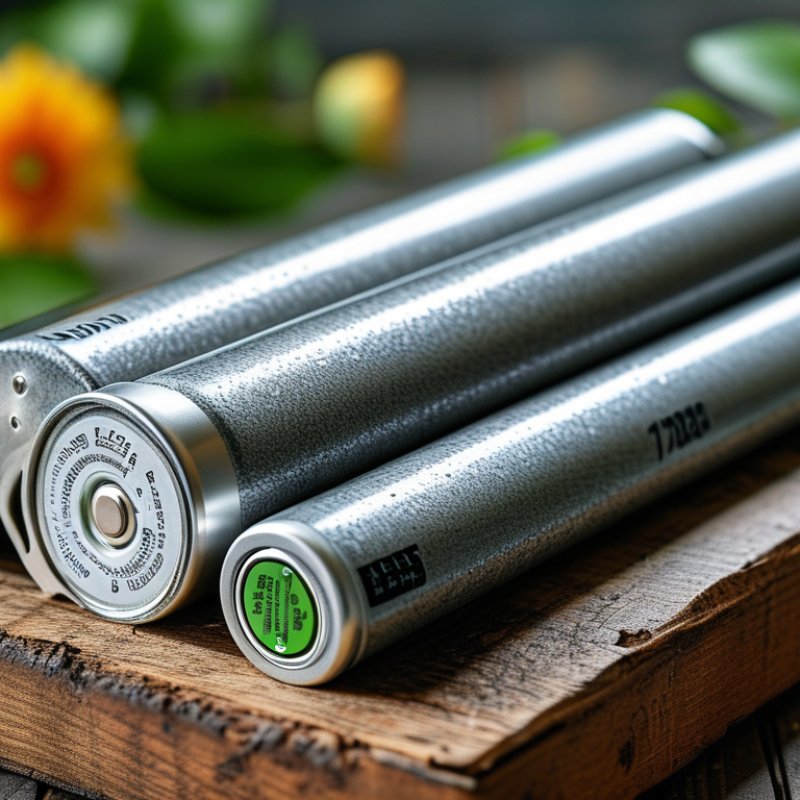
A Silver Fish Battery is a slim, rectangular battery pack commonly fitted to electric bicycles. Its silver-colored case usually contains lithium-ion cells, wiring, connectors, and a battery management system. The case protects the cells from vibration, dust, and light moisture. It is not simply a metal box. The internal control board monitors voltage, temperature, and charging current.
When the bicycle is switched on, stored chemical energy becomes electrical current. That current travels through the controller and drives the motor. Battery capacity is measured in watt-hours, calculated by multiplying voltage by amp-hours. For example, a 36-volt, 10-amp-hour pack stores about 360 watt-hours under rated conditions. Real riding distance changes with rider weight, hills, tire pressure, temperature, and assist level. Numbers on a label are useful, but they are not promises.
During routine battery checks, I look for loose rails, swollen casing, damaged connectors, and unusual heat after charging. A reliable pack should fit firmly, use the correct voltage, and include clear protection specifications. Check the charger connection carefully. Poor contact can create heat. I also prefer a battery with traceable test information and readable cell ratings. Some compact packs feel convenient but provide less capacity than expected. That detail is easy to miss. I once underestimated cold-weather range, so I would leave a practical reserve instead of planning every trip around the advertised maximum.
A silver fish battery should match your bicycle’s electrical system, not just its frame space. Check the voltage first, because a mismatched battery can damage the controller or reduce performance. Most systems use 36V or 48V, but the label alone is not enough. Confirm the controller’s voltage range and the battery connector before ordering. Measure twice.
Capacity determines practical riding distance. Watt-hours, calculated by volts multiplied by amp-hours, provide a clearer comparison than amp-hours alone. A 48V 15Ah battery stores about 720Wh. Rider weight, hills, tire pressure, assist level, and weather will change the real range. Advertised distance often assumes gentle conditions.
That deserves caution.
Look closely at the battery management system, or BMS. It should provide protection against overcharging, excessive discharge, overheating, and short circuits. Continuous discharge current also matters, especially for heavy loads or steep climbs. A battery may show impressive capacity but still feel weak with a low current limit.
Heat matters.
Physical specifications can cause expensive mistakes. Record the battery length, width, height, rail position, locking method, and charging-port location. Check whether the mounting plate can handle vibration on rough roads. Lithium battery chemistry, cell quality, certification documents, charging temperature limits, and warranty terms deserve equal attention. In real use, a slightly smaller battery with dependable protection may be safer than a larger, poorly documented one.
I would still inspect the charger compatibility twice, because this detail is easy to overlook.
Matching voltage and capacity correctly matters more than choosing the largest battery. Most Silver Fish e-bike batteries use 36V or 48V systems. A 36V battery usually charges to 42V, while a 48V battery reaches 54.6V. Confirm the controller’s rated voltage before buying. A mismatch can damage electrical components or create unsafe charging conditions.
Battery capacity is measured in amp-hours, but watt-hours show usable energy more clearly. The formula is simple: voltage multiplied by amp-hours.
For example, a 48V 15Ah battery provides about 720Wh.
The IEA Global EV Outlook 2024 identifies electric two- and three-wheelers as the most widely adopted electric road vehicles, increasing demand for reliable replacement batteries.
Higher capacity may extend distance, but it also adds weight and charging time. A rider traveling on flat roads may need less energy than someone climbing hills daily.
Battery University notes that lithium battery life depends strongly on charging habits, temperature, and operating load. Real-world range is never perfectly predictable. Cold weather, low tire pressure, heavy cargo, and frequent acceleration reduce it.
I would leave a practical energy reserve instead of planning every ride around the advertised range. Also inspect the battery’s BMS protection, charger compatibility, enclosure condition, and documented safety testing. A certified battery is not automatically perfect, but missing documentation is a serious warning sign.
A Silver Fish battery should be judged by usable energy, not its printed amp-hour figure.
Multiply voltage by amp-hours to estimate watt-hours. A 500Wh pack may deliver 25–40 kilometers, depending on rider weight, hills, tire pressure, temperature, and assist level. Real roads are less forgiving than showroom tests. My first range estimate was too generous.
Charging speed needs practical calculation. A 500Wh Battery Lithium Battery using a 100W charger may need nearly six hours, including charging losses. A faster charger reduces waiting, but frequent high-current charging can create more heat. Check the charger’s output, battery temperature limits, connector quality, and independent safety certification. BloombergNEF’s 2024 Battery Price Survey reported average lithium-ion pack prices of $115 per kWh, down 20% from 2023. Lower prices do not automatically mean better cells.
Lifespan should be measured in full-equivalent cycles and remaining capacity. The International Energy Agency reported that lithium-ion battery prices fell 14% in 2023, while cell chemistry and manufacturing quality still vary widely. For daily use, avoid storing the pack fully charged for weeks. Keep it cool and dry. Partial charging is usually gentler than repeated deep discharges. Ask for a capacity-retention warranty and test the pack after several months. A battery promising exceptional range may still disappoint in winter. That deserves scrutiny.
Choosing a Silver Fish battery in 2026 means checking evidence, not shiny casing. I inspect the label, terminals, cable insulation, and enclosure before considering price.
A 100ah Lithium Battery should include a battery management system with overcharge, over-discharge, short-circuit, and thermal protection. Cell balancing is valuable because uneven cells can reduce capacity and create heat. Look for a legible label.
Certifications need careful verification. UN 38.3 confirms transport testing, but it does not prove complete product safety. IEC 62619 may apply to industrial lithium batteries, while IEC 62133-2 often covers portable systems. UL 1973 can support stationary battery safety. Requirements vary by location.
Ask for test reports matching the exact model, chemistry, capacity, and revision number. A generic certificate is weak evidence.
I also check whether the battery has temperature sensors near the cells, a properly rated fuse, and an enclosure suited to its environment. An IP rating helps, but it does not excuse poor installation.
Never accept altered documents or unclear serial numbers. I still make one mistake: trusting a confident seller too quickly. Now, I request charging limits, warranty conditions, and emergency handling instructions in writing. That small pause has prevented expensive decisions.
Choosing the right Silver Fish battery in 2026 requires more than comparing prices. Start with installation. Measure the battery compartment, check mounting rails, and photograph the connector before ordering. A battery that looks identical online may have different terminals or cable lengths. I once trusted a product photo and ignored the plug design. The installation became slower than expected.
Compatibility needs careful checking. Match the original voltage, capacity range, connector type, and battery management system. Do not assume every 12 Volt Lawn Mower Battery fits every mower. Check the mower manual and charger label together. A mismatched charger can reduce battery life or create a safety concern. Also, compare weight. Extra weight may affect handling on wet grass.
Warranty terms reveal practical reliability. Read the coverage period, replacement process, and conditions for water damage or incorrect charging. A longer warranty is useful only when support responds clearly. Keep the receipt and installation photos. Price should include the charger, delivery, return fees, and possible adapter costs. The cheapest listing may become expensive after one missing component. I would also compare tested capacity, not only advertised capacity. Some figures are optimistic. Independent test information is better, though it is not always available. That uncertainty deserves attention before purchase.
Multiply voltage by amp-hours to estimate watt-hours. A 500Wh battery may travel 25–40 kilometers. Rider weight, hills, tire pressure, temperature, and assist level change the result. Real roads are harsher. My first estimate was too generous.
A 100W charger may need nearly six hours, including charging losses. A faster charger reduces waiting time. It can also create more heat during frequent use. Check charger output and battery temperature limits. Do not trust speed alone.
Avoid storing the battery fully charged for several weeks. Keep it cool and dry. Partial charging is usually gentler than repeated deep discharges. Track full-equivalent cycles and remaining capacity. Winter performance may disappoint.
Look for overcharge, over-discharge, short-circuit, and thermal protection. Cell balancing can reduce uneven capacity and heat. Temperature sensors should sit near the cells. A correctly rated fuse is also important. Small details matter.
Request test reports for the exact model, chemistry, capacity, and revision. Transport testing does not prove complete product safety. Portable and stationary systems may follow different technical standards. Check the document carefully. Generic certificates are weak evidence.
Measure the battery compartment and mounting rails. Photograph the connector and inspect cable length. Match voltage, capacity range, connector type, and management system. A similar-looking battery may not fit. I once trusted a product photo too quickly.
Read the coverage period and replacement process. Check conditions for water damage and incorrect charging. Keep the receipt and installation photographs. Clear support matters more than impressive wording. Longer is not always better.
Include the charger, delivery, return fees, and possible adapter costs. Compare tested capacity, not only advertised capacity. A cheap listing may omit one essential component. Independent testing helps, but it may be unavailable. That uncertainty deserves attention.
Choosing the right Silver Fish Battery in 2026 starts with understanding its role as a removable power source commonly designed for electric bicycles. Its performance depends on key specifications such as voltage, amp-hour capacity, battery chemistry, dimensions, connector type, and continuous output. Match the battery voltage to your e-bike’s motor and controller, while selecting capacity according to your riding distance, terrain, rider weight, and expected usage. A higher-capacity battery may provide greater range, but it can also add weight and require more charging time.
When comparing options, review real-world range estimates, charging speed, cycle life, and protection against overcharging, overheating, short circuits, and excessive discharge. Look for clear safety testing and relevant certifications for your region. Installation should be straightforward, with secure mounting and confirmed compatibility with the bike’s wiring and charger. Finally, compare warranty coverage, replacement support, product quality, and total cost rather than focusing only on the purchase price. A balanced choice should deliver dependable performance, safe operation, practical range, and long-term value.
