

News







How to Choose the Best Lithium Battery for Pet Smart Wearables?
2026-09-24
Pet smart collars, GPS trackers, and health monitoring wearables are becoming increasingly popular. The Lithium Battery is the core power source of these devices. Pet wearables must withstand complex scenarios including chewing, rain immersion, and vigorous movement—making battery selection directly critical to device runtime and pet safety.

1. What Is a Pet Smart Wearable Lithium Battery?
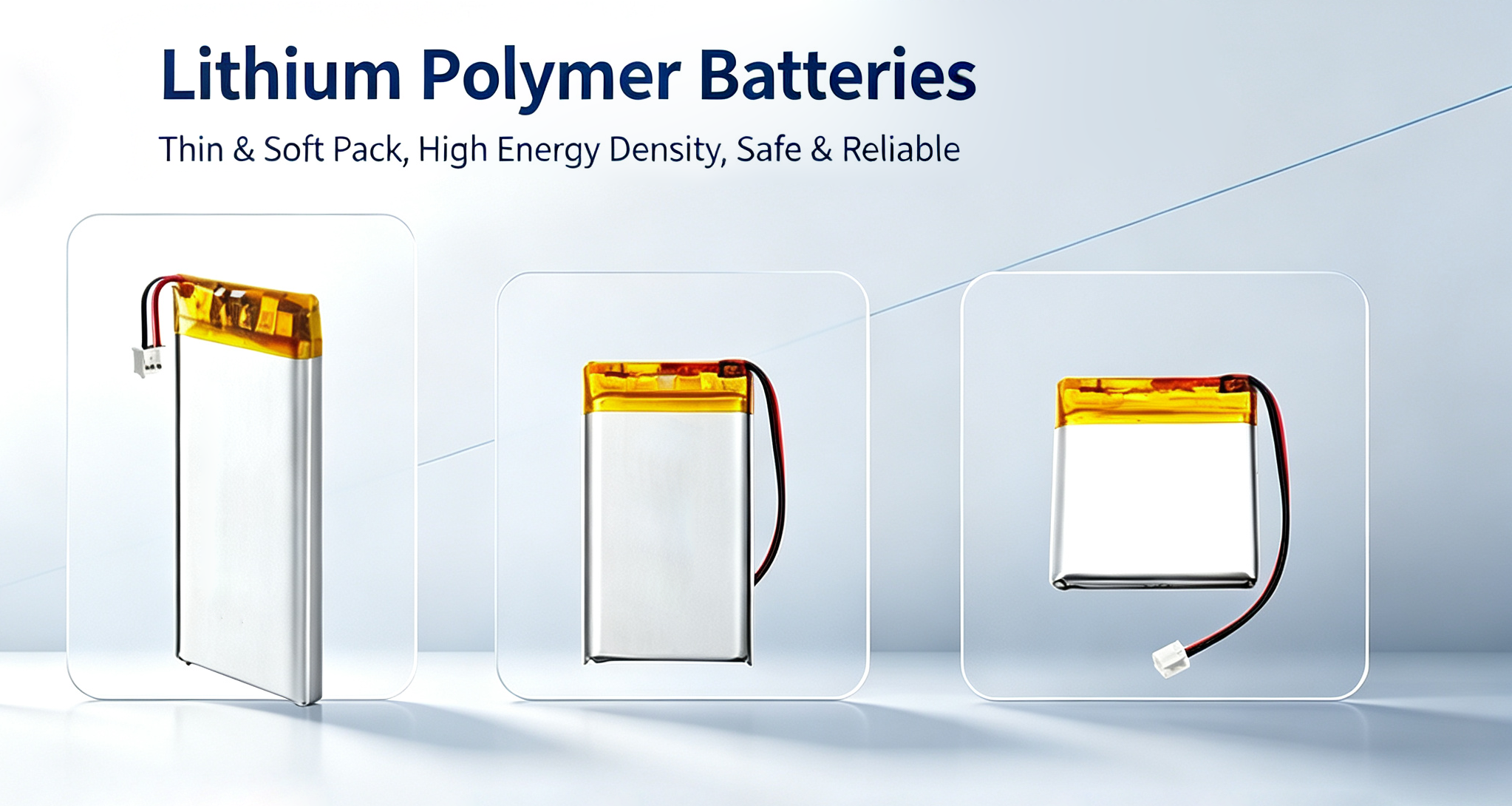
A pet smart wearable lithium battery is a miniature Battery Pack specifically developed for pet GPS collars and health monitoring collars. The mainstream configuration adopts ultra-thin lithium-polymer (LiPo) pouch cells paired with a compact BMS protection board.
These batteries are small and lightweight, fitting tight internal collar spaces. They must tolerate pet running vibration, rain and sweat corrosion, while featuring crush-resistant and anti-chew protective structures. They power GPS positioning, Bluetooth communication, sensors, and LED indicators, and must comply with safety certifications such as IEC 62133 and UN 38.3.
2. Why Choosing the Right Battery for Pet Smart Wearables Matters
1. Ensures Stable Runtime
GPS positioning and health monitoring require continuous operation. Insufficient capacity or excessive self-discharge causes frequent device shutdowns, preventing pet location tracking or abnormal vital sign detection at critical moments.
GPS positioning and health monitoring require continuous operation. Insufficient capacity or excessive self-discharge causes frequent device shutdowns, preventing pet location tracking or abnormal vital sign detection at critical moments.
2. Affects Wearing Comfort and Safety
Pet collars are worn for extended periods. Battery weight and volume directly impact pet comfort. Overly heavy batteries cause discomfort or even refusal to wear. Additionally, pets may chew or scratch the device, making physical protection and thermal stability of the battery critically important.
Pet collars are worn for extended periods. Battery weight and volume directly impact pet comfort. Overly heavy batteries cause discomfort or even refusal to wear. Additionally, pets may chew or scratch the device, making physical protection and thermal stability of the battery critically important.
3. Reduces Long-Term Product Costs
High-quality batteries deliver cycle life exceeding 500 cycles, reducing replacement frequency, lowering after-sales failure rates, and enhancing user reputation.
High-quality batteries deliver cycle life exceeding 500 cycles, reducing replacement frequency, lowering after-sales failure rates, and enhancing user reputation.
3. How to Select the Right Battery for Pet Smart Wearables?
1. Lightweight and Compact Design
Pet wearables should prioritize LiPo pouch cells, customizable in ultra-thin non-standard form factors with minimal weight. Select 200–1,000 mAh capacity based on product requirements to ensure pet wearing comfort.
Pet wearables should prioritize LiPo pouch cells, customizable in ultra-thin non-standard form factors with minimal weight. Select 200–1,000 mAh capacity based on product requirements to ensure pet wearing comfort.
2. BMS Protection
The BMS must provide complete overcharge, over-discharge, overcurrent, short-circuit, and temperature protection. It should support low-power sleep mode to reduce standby self-consumption, ensuring long-duration positioning runtime.
The BMS must provide complete overcharge, over-discharge, overcurrent, short-circuit, and temperature protection. It should support low-power sleep mode to reduce standby self-consumption, ensuring long-duration positioning runtime.
3. Waterproof and Anti-Chew Design
The battery pack must achieve IPX5–IPX7 waterproof rating. The casing should use food-grade silicone or high-strength ABS with rounded, burr-free edges to prevent pet chewing damage or accidental ingestion of fragments.
The battery pack must achieve IPX5–IPX7 waterproof rating. The casing should use food-grade silicone or high-strength ABS with rounded, burr-free edges to prevent pet chewing damage or accidental ingestion of fragments.
4. Wide-Temperature Performance
Operating temperature range of -10°C to 50°C, adapting to winter outdoor walks and summer high-temperature environments.
Operating temperature range of -10°C to 50°C, adapting to winter outdoor walks and summer high-temperature environments.
5. Safety Certifications
Products must pass IEC 62133 and UN 38.3 certifications.
Products must pass IEC 62133 and UN 38.3 certifications.
4. Conclusion
Pet smart wearable battery selection requires comprehensive evaluation of capacity parameters, cell form factor, BMS power consumption control, waterproofing, mechanical damage resistance, and compliance certification.
A suitable battery not only ensures GPS positioning and health monitoring runtime but also withstands complex conditions such as pet running, rain exposure, and accidental chewing—preventing safety hazards such as electrolyte leakage and overheating.
Whether for new product development or spare part procurement, prioritizing compliant batteries validated for pet wearable scenarios is essential to ensure stable device operation and safeguard pet safety.