

News



How to Choose the Best Lithium Battery for Small USVs?
2026-09-18
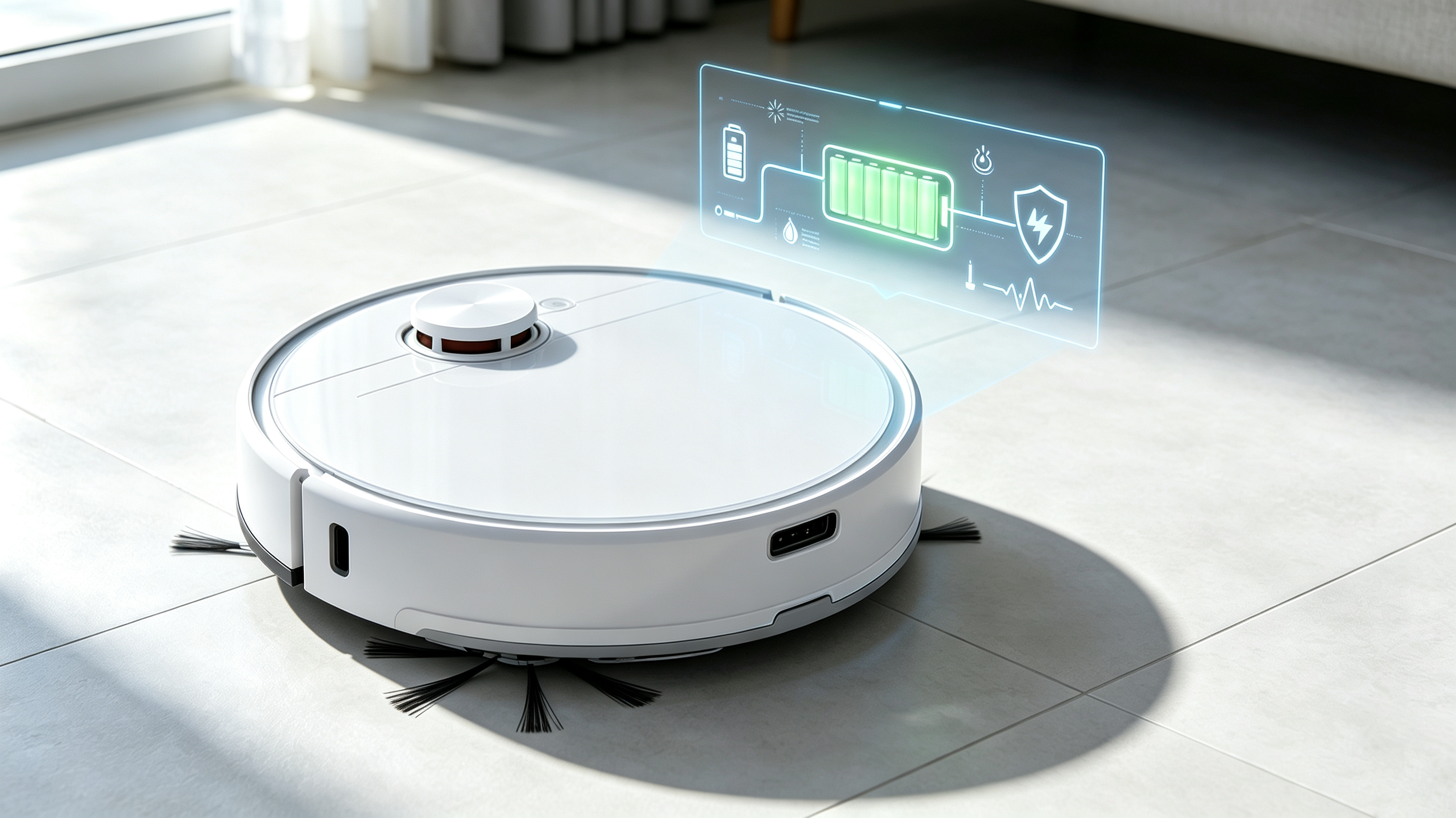
Small Unmanned Surface Vehicles (USVs) are now widely deployed in hydrographic surveying, water quality monitoring, river channel inspection, and environmental reconnaissance. As the core power system of the entire vessel, the Lithium Battery directly determines cruising speed, endurance, and operational safety on the water. Given the complex marine environment, selecting a truly suitable battery for a small USV is critical.
1. What Is a Small USV Lithium Battery?
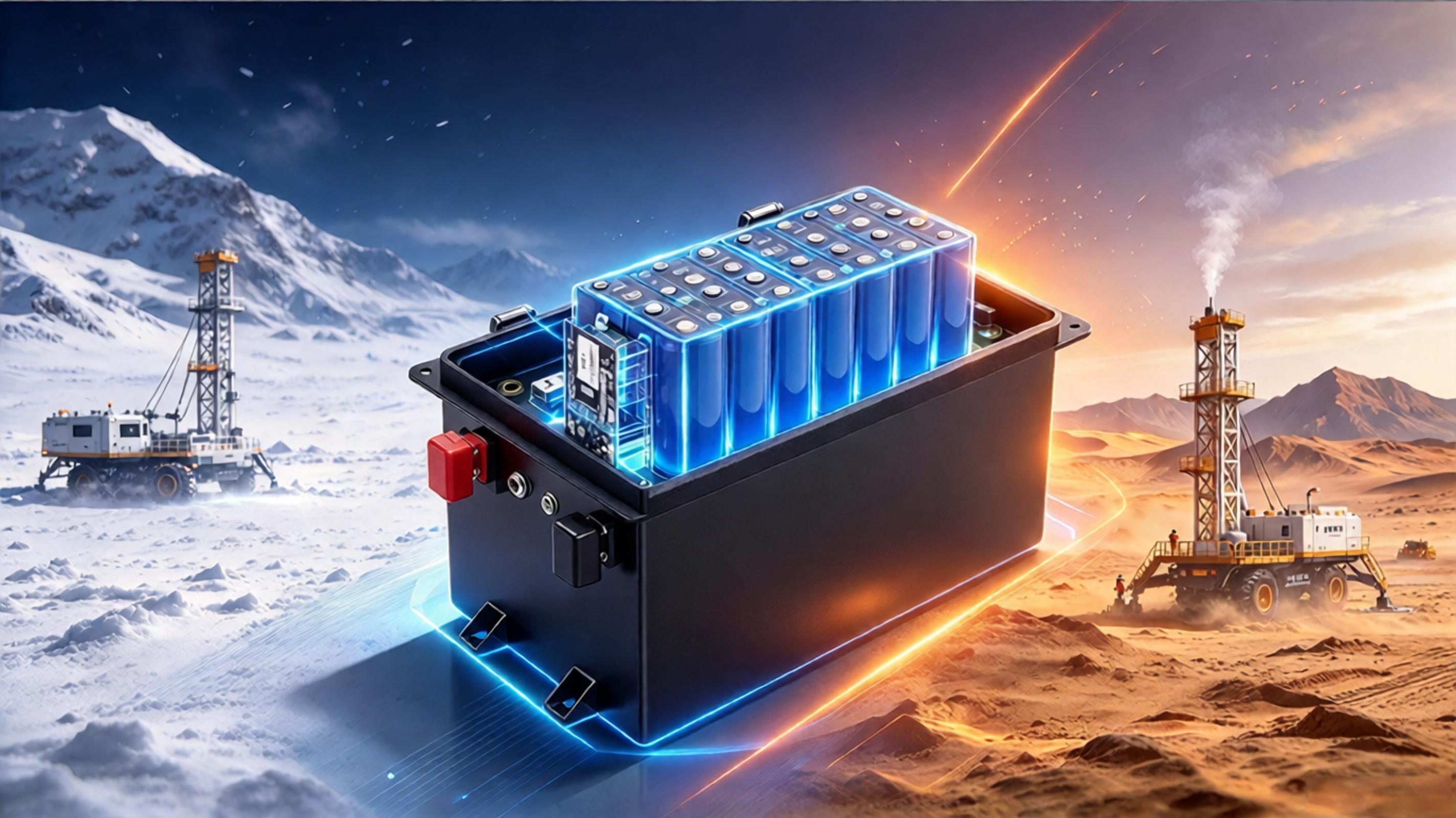
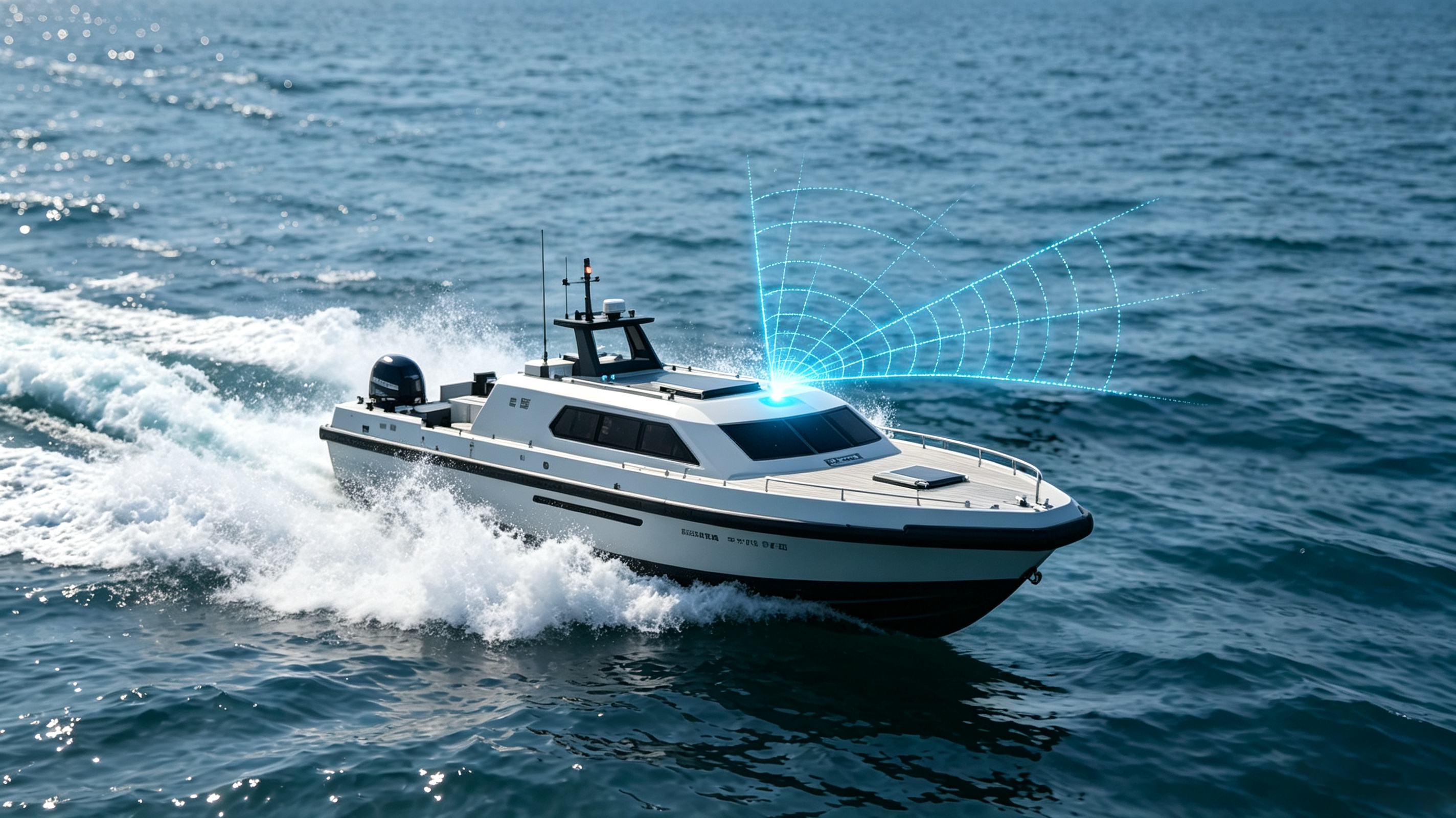
A small USV lithium battery is a custom traction battery system specifically designed for small unmanned surface vehicles. The mainstream configuration adopts lithium iron phosphate (LiFePO₄) cells, with some lightweight platforms using ternary lithium Battery(NCM) or lithium-polymer (LiPo) cells, equipped with a marine-grade Battery Management System (BMS).
The battery features waterproof, salt-fog resistant, and impact-resistant construction, capable of handling continuous vibration from waves, high-humidity salt-fog corrosion, and instantaneous peak current demands from motors—providing unified power to propellers, sensors, and communication/navigation equipment.
Current Small USV Battery Solutions:
Lithium Iron Phosphate Battery(LiFePO₄ / LFP)
High thermal stability, strong resistance to overcharge and short circuits, cycle life exceeding 3,000 cycles. Its safety advantages are prominent in enclosed hull environments, making it the preferred solution for small USVs. Common voltage platforms are 24 V or 48 V, with capacities of 50–100 Ah, supporting 6–8 hours of endurance.
High thermal stability, strong resistance to overcharge and short circuits, cycle life exceeding 3,000 cycles. Its safety advantages are prominent in enclosed hull environments, making it the preferred solution for small USVs. Common voltage platforms are 24 V or 48 V, with capacities of 50–100 Ah, supporting 6–8 hours of endurance.
Ternary Lithium Battery
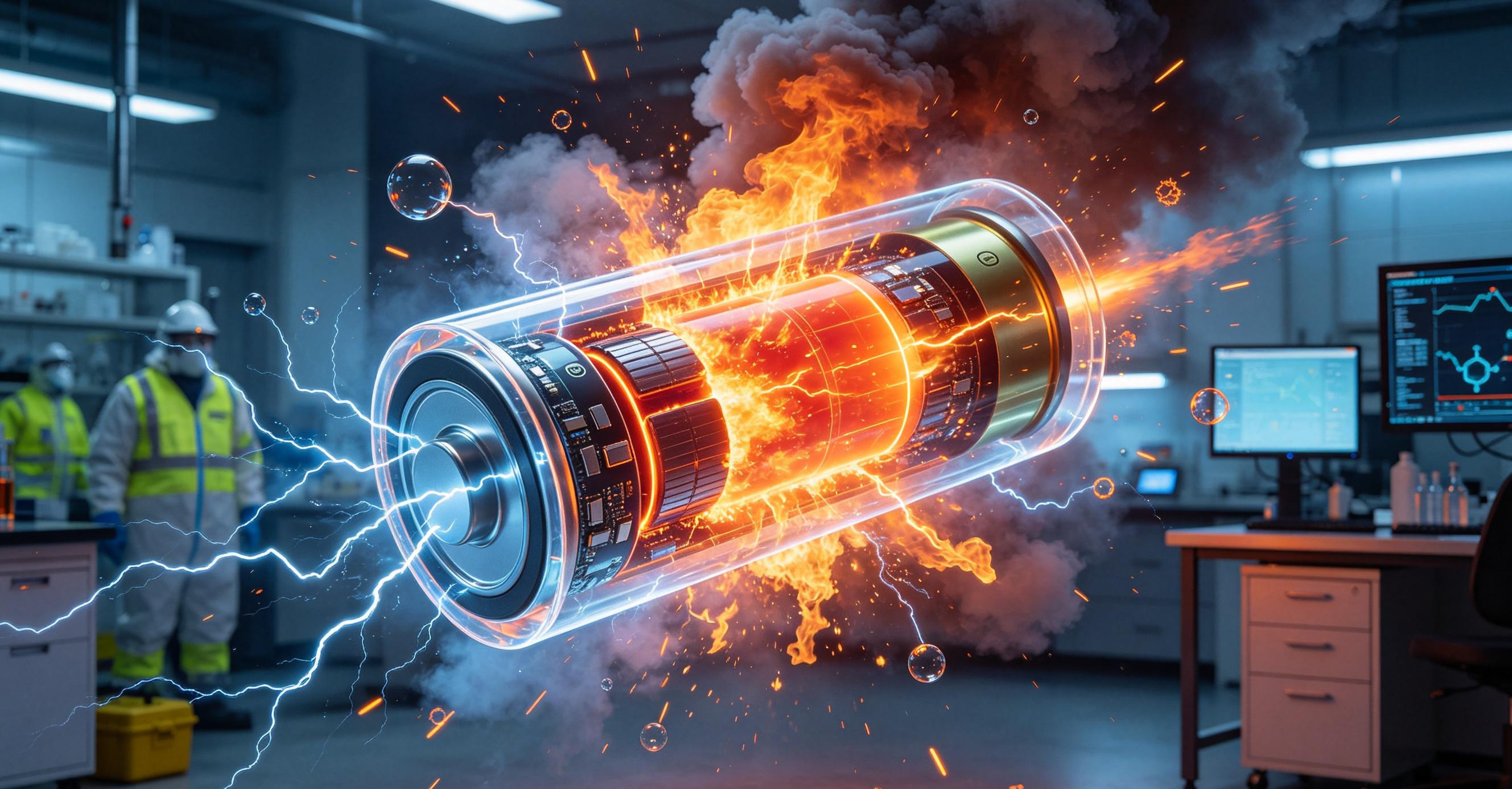
High energy density, lightweight, and high power density. Suitable for high-speed cruising or weight-sensitive applications, but with relatively higher thermal runaway risk—requiring liquid cooling and hull-level fire suppression systems.
High energy density, lightweight, and high power density. Suitable for high-speed cruising or weight-sensitive applications, but with relatively higher thermal runaway risk—requiring liquid cooling and hull-level fire suppression systems.
Lithium-Polymer Battery(LiPo)
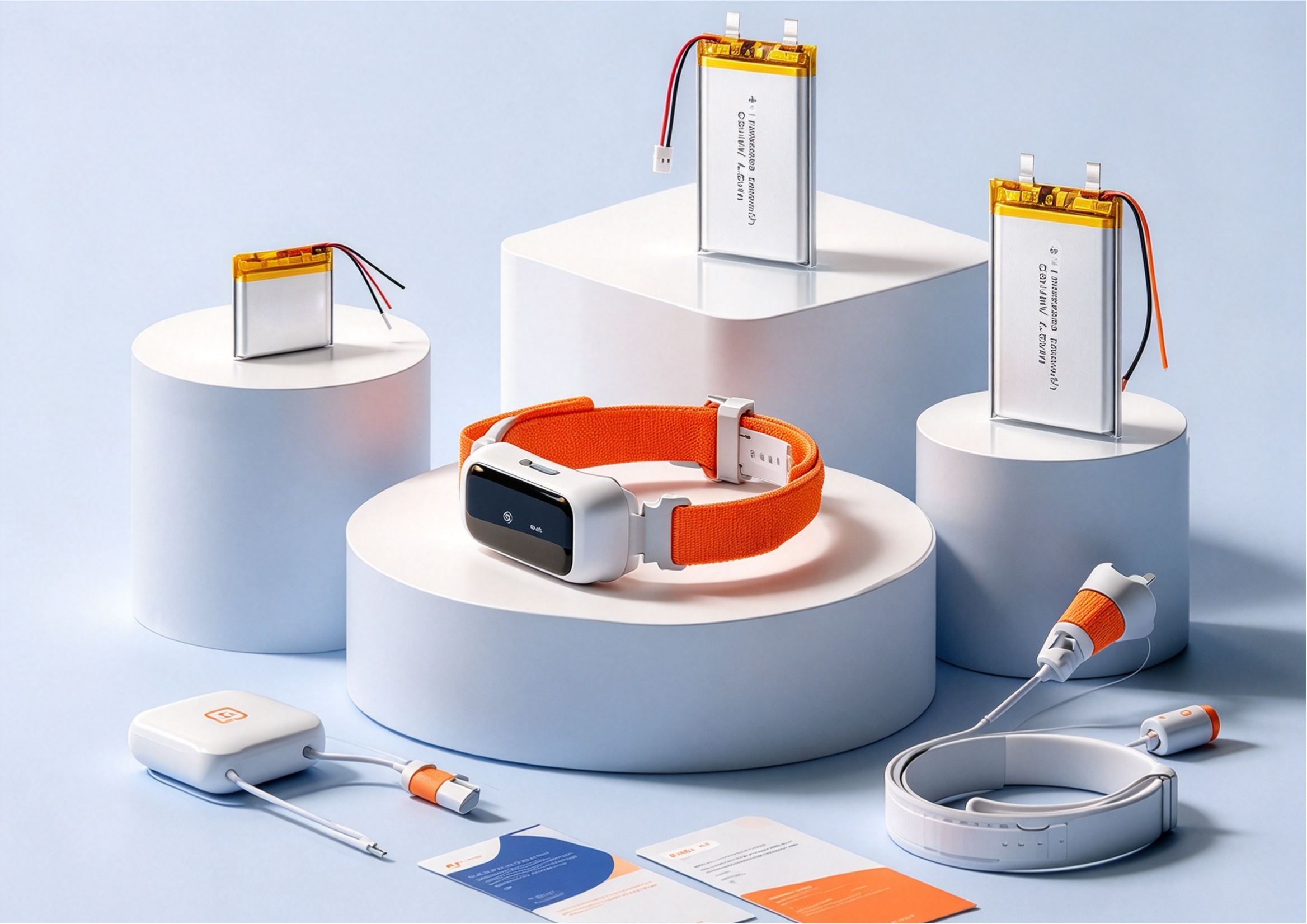
Slim and lightweight design with excellent charge/discharge performance. Suitable for lightweight small USVs and portable applications.
Slim and lightweight design with excellent charge/discharge performance. Suitable for lightweight small USVs and portable applications.
2. The Importance of Choose the Right Small USV Battery Matters
1. Ensures Mission Endurance and Operational Efficiency
Unsuitable batteries often have inflated capacity ratings or insufficient peak discharge capability. When encountering waves, power attenuation when encountering wind and waves, potentially preventing completion of planned surveying or monitoring missions.
Unsuitable batteries often have inflated capacity ratings or insufficient peak discharge capability. When encountering waves, power attenuation when encountering wind and waves, potentially preventing completion of planned surveying or monitoring missions.
2. Affects Power Output and Current-Resistance Capability
Small USVs do not cruise at constant speed—propellers require instantaneous high-current support during acceleration, current resistance, and turning. If the battery's peak discharge capability is inadequate, propeller startup difficulty, speed reduction, or even loss of control may occur. Selection must confirm whether the battery's continuous and peak discharge capabilities meet propulsion system requirements.
Small USVs do not cruise at constant speed—propellers require instantaneous high-current support during acceleration, current resistance, and turning. If the battery's peak discharge capability is inadequate, propeller startup difficulty, speed reduction, or even loss of control may occur. Selection must confirm whether the battery's continuous and peak discharge capabilities meet propulsion system requirements.
3. Critical to On-Water Operational Safety
USVs operate long-term in humid, salt-fog environments. If water ingress or seal failure occurs, short circuits or even thermal runaway may be triggered. The battery's waterproof rating, corrosion protection design, and BMS protection functions are directly tied to vessel-level safety.
USVs operate long-term in humid, salt-fog environments. If water ingress or seal failure occurs, short circuits or even thermal runaway may be triggered. The battery's waterproof rating, corrosion protection design, and BMS protection functions are directly tied to vessel-level safety.
3. How to Select the Right Battery for Your Small USV?
1. Match the Application Scenario
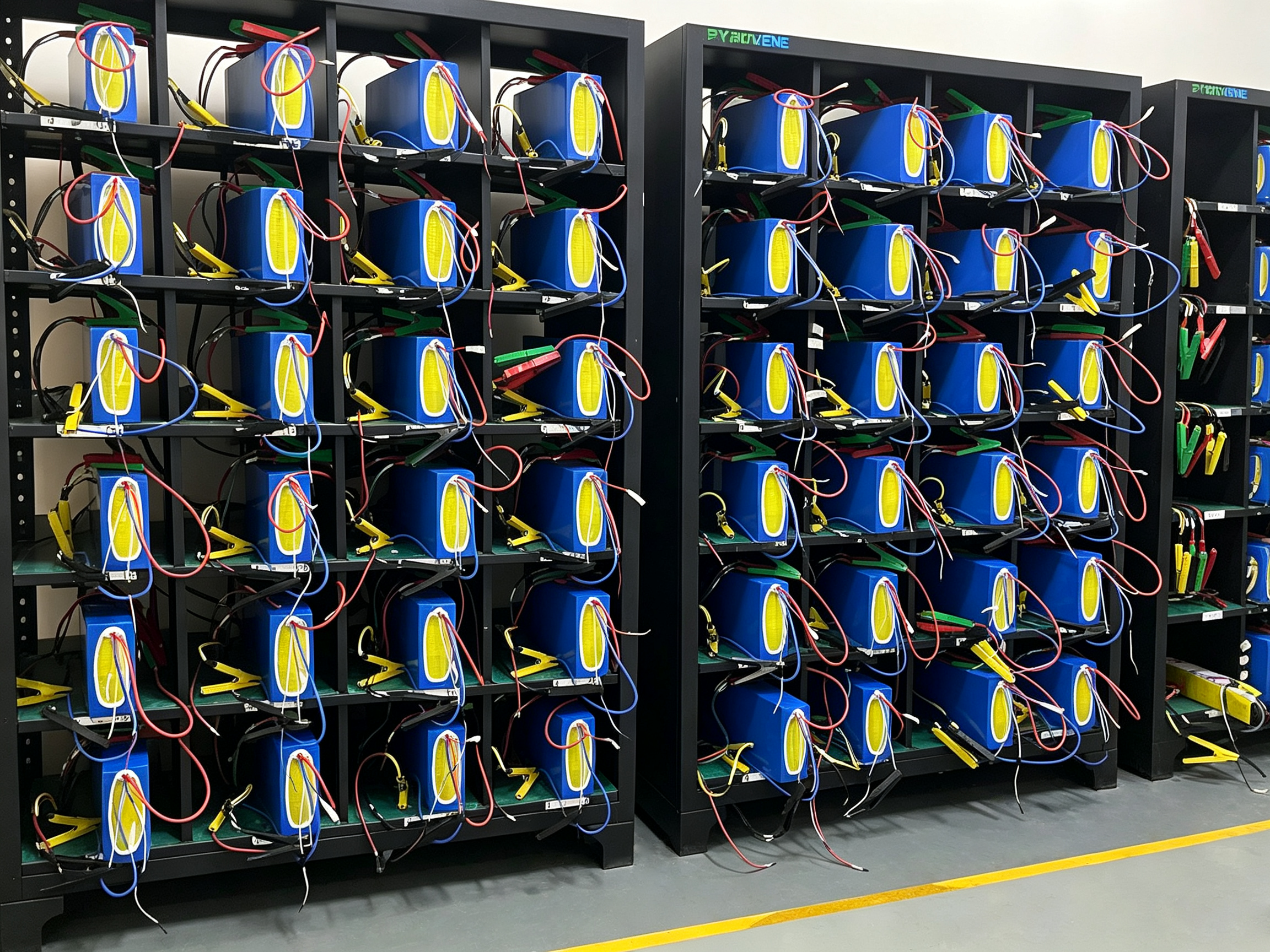
For river channel and coastal operations, prioritize LiFePO₄ batteries—high thermal stability, long cycle life, and high recognition in maritime applications. For lightweight inland waterway vessels pursuing extreme weight reduction, Ternary lithium batteries may be selected, but enhanced thermal protection is required.
For river channel and coastal operations, prioritize LiFePO₄ batteries—high thermal stability, long cycle life, and high recognition in maritime applications. For lightweight inland waterway vessels pursuing extreme weight reduction, Ternary lithium batteries may be selected, but enhanced thermal protection is required.
2. Properly Configure Capacity and Discharge Rate
Peak current during wave resistance and turning can reach 2–3× the continuous current. Select batteries with continuous discharge rate ≥2C and peak ≥5C to ensure voltage stability under high load and prevent propulsion system stall.
Peak current during wave resistance and turning can reach 2–3× the continuous current. Select batteries with continuous discharge rate ≥2C and peak ≥5C to ensure voltage stability under high load and prevent propulsion system stall.
3. Marine-Grade Protection Design
Protection rating of at least IP67; prioritize IP68 for near-seawater operations. The casing should use marine-grade aluminum alloy or stainless steel with salt-fog and vibration/impact resistance.
Protection rating of at least IP67; prioritize IP68 for near-seawater operations. The casing should use marine-grade aluminum alloy or stainless steel with salt-fog and vibration/impact resistance.
4. Comprehensive BMS Functionality
Beyond basic overcharge, over-discharge, overcurrent, and temperature protection, the BMS must feature cell balancing, temperature monitoring, water ingress detection, and communication capabilities (RS485/CAN), supporting shore-based remote monitoring of battery status.
Beyond basic overcharge, over-discharge, overcurrent, and temperature protection, the BMS must feature cell balancing, temperature monitoring, water ingress detection, and communication capabilities (RS485/CAN), supporting shore-based remote monitoring of battery status.
5. Certification and Compliance
Ensure compliance with UN 38.3 (transport), IEC 62133 (safety), and marine environmental adaptability tests (salt fog, vibration, impact), meeting military or commercial access standards.
Ensure compliance with UN 38.3 (transport), IEC 62133 (safety), and marine environmental adaptability tests (salt fog, vibration, impact), meeting military or commercial access standards.
4. Conclusion
Selecting a lithium battery for a small USV is a systems engineering task requiring comprehensive evaluation of voltage matching, capacity requirements, cell safety, waterproofing/corrosion protection, and BMS management.
A well-matched battery not only ensures USV endurance and wave-resistance power output but also withstands complex water conditions such as salt fog and vibration—reducing on-water failures and safety risks.
Whether for new project development or spare part procurement, prioritizing compliant batteries validated for maritime environments is essential to ensure stable USV mission execution and reduce offshore maintenance costs.