

News





How to Properly Maintain Cleaning Robot Lithium Batteries?
2026-09-12
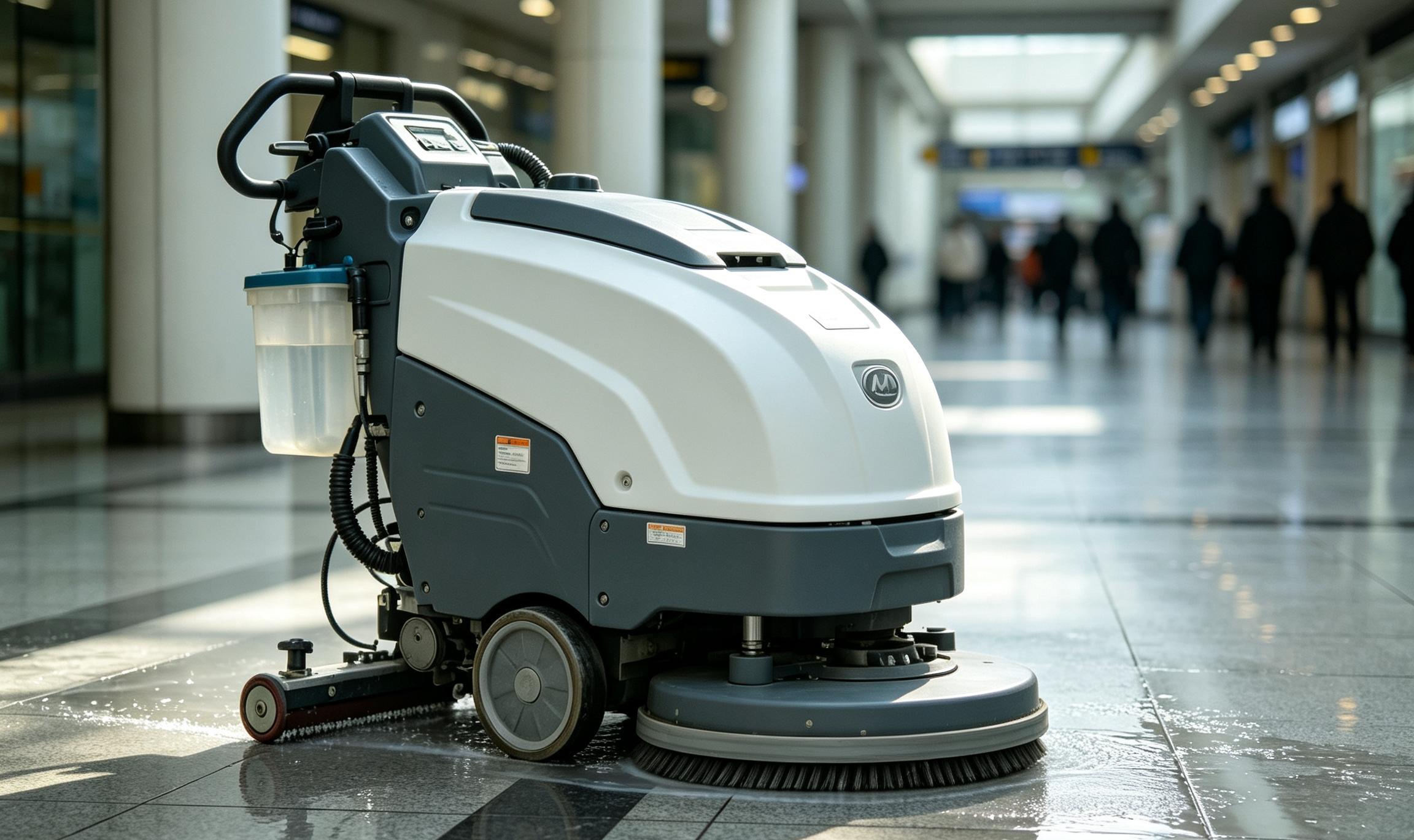
Floor scrubbers, carpet cleaners, and vacuum cleaners have become core tools for commercial cleaning and household maintenance. These devices often operate for extended periods in humid, dusty environments, subjecting batteries to multiple stressors including high-current surges, frequent start-stop cycles, and temperature/humidity fluctuations. Scientific Battery maintenance not only extends service life but is also critical to ensuring cleaning efficiency and operational safety.
1. What Is a Cleaning Robot Lithium Battery?
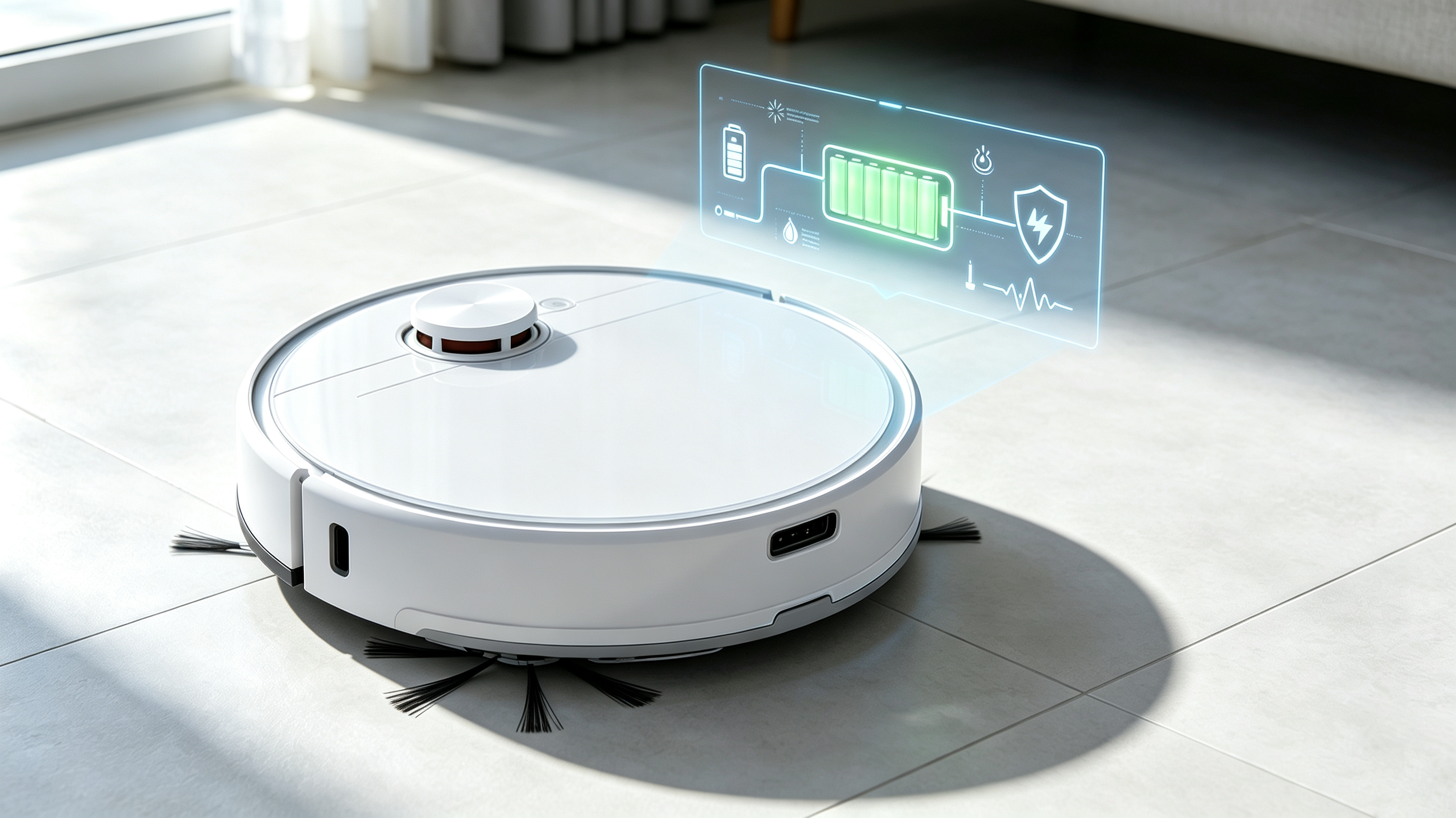
A cleaning robot lithium battery refers to a rechargeable lithium-ion Battery Pack specifically designed to power smart cleaning devices such as robotic vacuums, mopping robots, and floor scrubbers.
Currently, cleaning robots on the market predominantly use 18650/21700 cylindrical ternary lithium cells, typically configured in 4S1P (4 cells in series) or 4S2P (8 cells, 4S2P) arrangements. The battery pack is usually equipped with an intelligent Battery Management System (BMS) that monitors voltage, current, and temperature in real time, providing protection against overcharge, over-discharge, and short circuits.
2. The Importance of Maintaining Cleaning Robot Lithium Batteries
1. Ensures Actual Device Runtime
Poor maintenance accelerates cell aging and rapid usable capacity decline, forcing mid-cycle returns to the charging dock and degrading the user experience.
Poor maintenance accelerates cell aging and rapid usable capacity decline, forcing mid-cycle returns to the charging dock and degrading the user experience.
2. Eliminates Safety Hazards
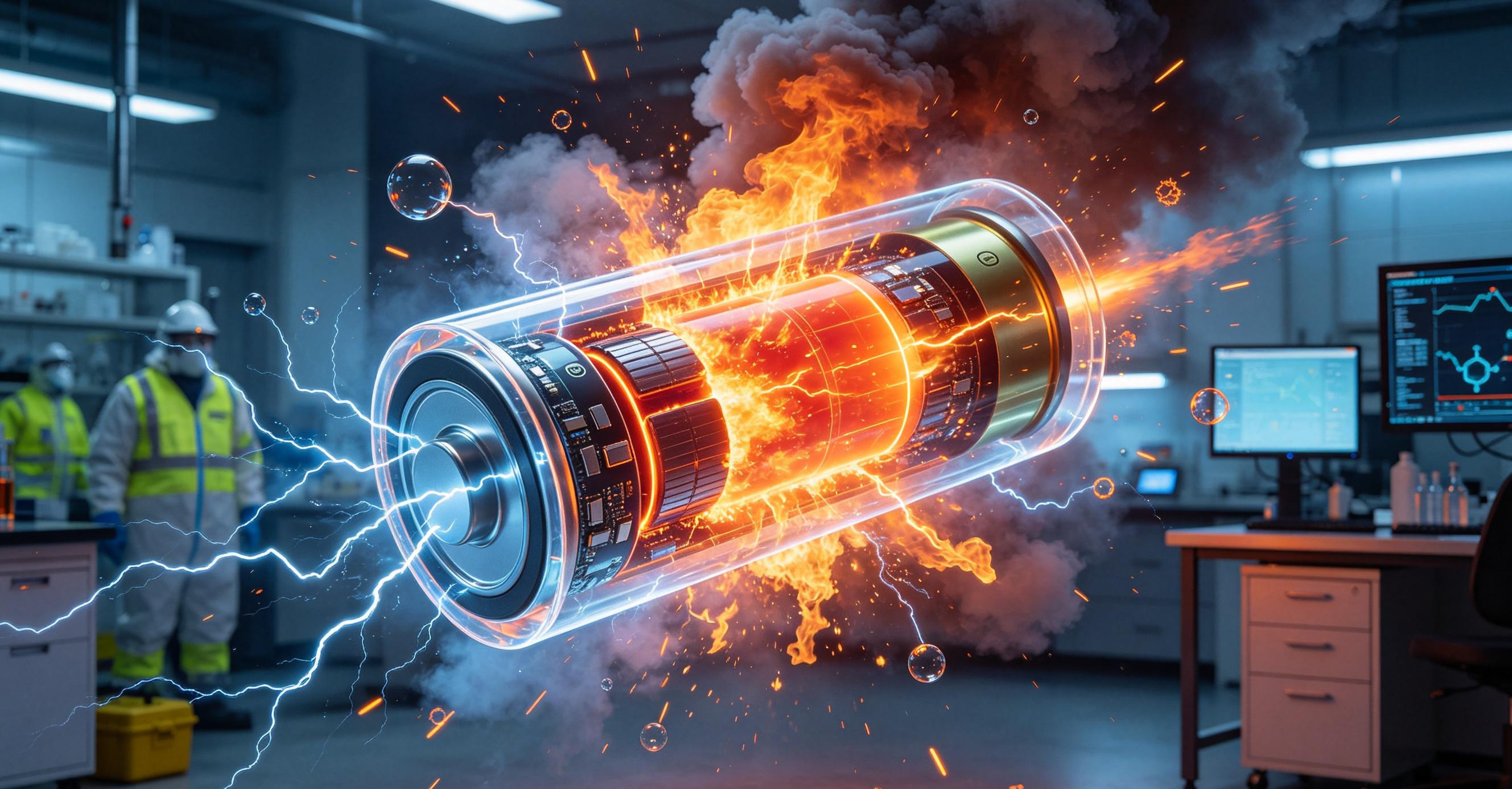
The device's operating environment involves moisture and vibration. Inadequate maintenance can lead to overheating and swelling, increasing fire risk.
The device's operating environment involves moisture and vibration. Inadequate maintenance can lead to overheating and swelling, increasing fire risk.
3. Extends Battery Cycle Life
Proper maintenance fully realizes the cell's designed cycle life, reducing replacement frequency and lowering long-term operating costs.
Proper maintenance fully realizes the cell's designed cycle life, reducing replacement frequency and lowering long-term operating costs.
4. Ensures Stable Device Operation
Abnormal internal resistance causes voltage sag, triggering system crashes and sensor malfunctions. Good maintenance reduces equipment failures.
Abnormal internal resistance causes voltage sag, triggering system crashes and sensor malfunctions. Good maintenance reduces equipment failures.
3. How to Properly Maintain Cleaning Robot Lithium Batteries?
1. Scientific Charge/Discharge Practices
Daily use: maintain SOC within the 20%–80% range; do not fully deplete the battery before each recharge. Use the original manufacturer-matched charger; never mix with third-party fast chargers. For long-term idle storage, maintain 40%–60% SOC and recharge every 2–3 months to prevent deep-discharge damage.
Daily use: maintain SOC within the 20%–80% range; do not fully deplete the battery before each recharge. Use the original manufacturer-matched charger; never mix with third-party fast chargers. For long-term idle storage, maintain 40%–60% SOC and recharge every 2–3 months to prevent deep-discharge damage.
2. Environmental and Physical Protection
Charge and store in cool, dry, well-ventilated locations; avoid direct sunlight and high-temperature enclosed corners. Do not rinse the battery compartment directly with water. After the device completes its task, allow the battery to cool naturally before charging. In heavy-soil carpet cleaning mode, motor load is high—avoid prolonged continuous maximum-speed operation to reduce sustained high-current heating.
Charge and store in cool, dry, well-ventilated locations; avoid direct sunlight and high-temperature enclosed corners. Do not rinse the battery compartment directly with water. After the device completes its task, allow the battery to cool naturally before charging. In heavy-soil carpet cleaning mode, motor load is high—avoid prolonged continuous maximum-speed operation to reduce sustained high-current heating.
3. Regular Visual and Contact Inspection
Weekly: inspect charging metal contacts and wipe away water stains and dust with a dry soft cloth to prevent oxidation-induced poor contact. Periodically check the battery casing; discontinue use and isolate immediately upon detecting swelling, abnormal heating, or odor. Never disassemble the battery pack yourself.
Weekly: inspect charging metal contacts and wipe away water stains and dust with a dry soft cloth to prevent oxidation-induced poor contact. Periodically check the battery casing; discontinue use and isolate immediately upon detecting swelling, abnormal heating, or odor. Never disassemble the battery pack yourself.
4. Device Maintenance to Reduce Battery Load
Clean roller brushes and filters promptly. Excessive resistance from clogged brushes and filters increases motor load, raising battery discharge current and indirectly accelerating cell aging. Regularly update device firmware to optimize BMS charge/discharge control logic.
Clean roller brushes and filters promptly. Excessive resistance from clogged brushes and filters increases motor load, raising battery discharge current and indirectly accelerating cell aging. Regularly update device firmware to optimize BMS charge/discharge control logic.
4. Conclusion
Cleaning robot Lithium Batteries operate under complex conditions involving vibration, moisture, and high-current impact. Their service life depends not only on the cells themselves but critically on daily maintenance habits. Scientific charge/discharge practices, environmental protection, regular contact inspection, and proper device maintenance effectively delay capacity fade and mitigate safety risks such as overheating and swelling.
Whether for household mopping robots or commercial floor scrubbers, adhering to standardized maintenance extends battery service life, reduces failures and spare part replacement costs, and ensures long-term stable operation of cleaning equipment.